Royal Splendor vs. Victorian Charm: Which Suits Your Pet?
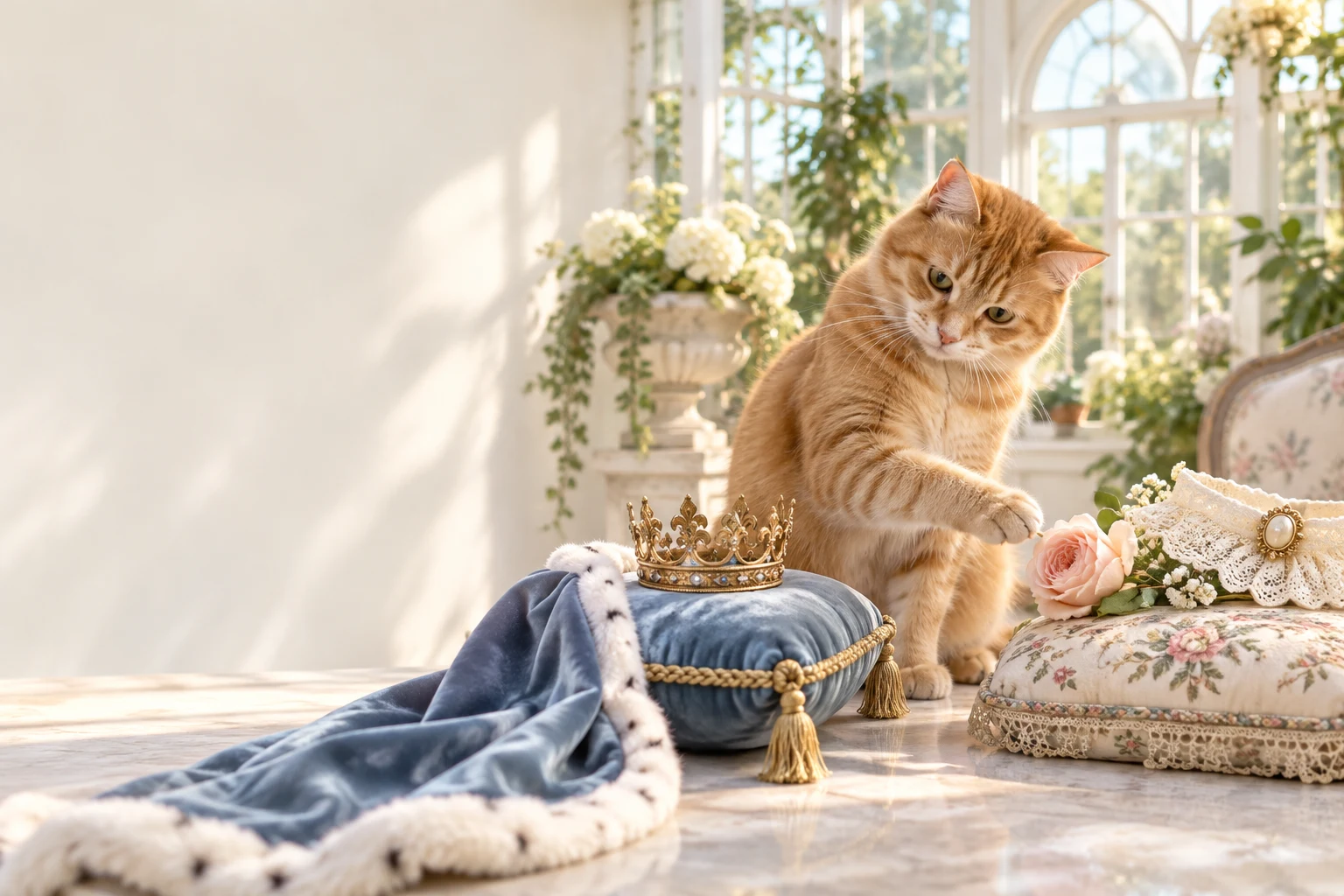
Do they sit on the couch as if they own the palace? Or do they have a quirky expression only you understand? Royal and Victorian pet portraits tell two very different stories. One asks, “How powerful are you?” The other asks, “Who are you when no one is watching?”
Royal portraits: the pose reigns supreme
In court painting, posture, ornate dress, and backdrop all emphasize rank. Think of Rigaud’s portrait of Louis XIV: the coronation robe, the marble column, and that poised stance together create a dazzling display of authority. In Van Dyck’s “Charles I at the Hunt,” even the horse takes part in the grandeur. Here, an animal is not just a cute detail, but an equal player on a grand royal stage.
This direction is a natural fit for pets that look into the camera with calm, almost solemn dignity. A regal cat or a dog with an unshakeable gaze can easily carry the spotlight. But if your pet is constantly making silly faces, a stiff, formal pose might conceal their best side.
A fun example of this regal grandeur is “The Emperor”: picture your pet in a gold-embroidered navy coat with a blue sash and a feathered bicorne hat. This imperial look creates a hilarious contrast if they happen to be the smallest, yet most bossy resident in your home.
Victorian animal paintings: character up close
In 19th-century British animal painting, quiet observation and genuine emotion take center stage. In Edwin Landseer’s painting “Dignity and Impudence,” the contrasting personalities of two dogs are captured right in the title. Meanwhile, “The Old Shepherd’s Chief Mourner” builds a poignant story around a dog’s quiet presence. No crown is needed here-just a well-captured gesture.
Choose a Victorian mood if your pet’s charm lives in the little things: a tilted head, an inquisitive glance, or that slightly offended look they give you. These subtle details bring them closer to you rather than placing them on a pedestal.
What if both ring true?
Do not pick an era first-pick a story. If looking at your pet makes you think, “They run this house,” go with royal splendor. If you find yourself thinking, “They are such a lovable goof,” the character-driven Victorian style will be far more rewarding. Posture and expression matter much more than breed or size.
If you are curious to see which look works best for your companion, you can test Pawlazzo portrait styles with their photo in a free preview before paying anything. Sometimes, a single familiar glance settles the whole debate in seconds.
Related articles
 History & curiosities
4 Times Pets Completely Stole the Show in Classic Paintings
Even classic masters struggled with photobombing pets. Here are 5 brilliant paintings where dogs and cats couldn’t care less about the drama.
Read more History & curiosities
Da Vinci's Cats vs. Velázquez's Dogs: Which Master Would Have Painted Your Pet?
The Renaissance genius sought chaos, while the Baroque master looked for dignity in animals. Find out which historical era best fits your four-legged friend&...
Read more History & curiosities
History's Best Study Buddies: 5 Noble Pets Who Deserve an Honorary Degree
Behind late-night study sessions and great discoveries, there’s often a loyal pet. Meet history’s most famous furry assistants, plus the perfect...
Read more